January Floods: Scant Magazine

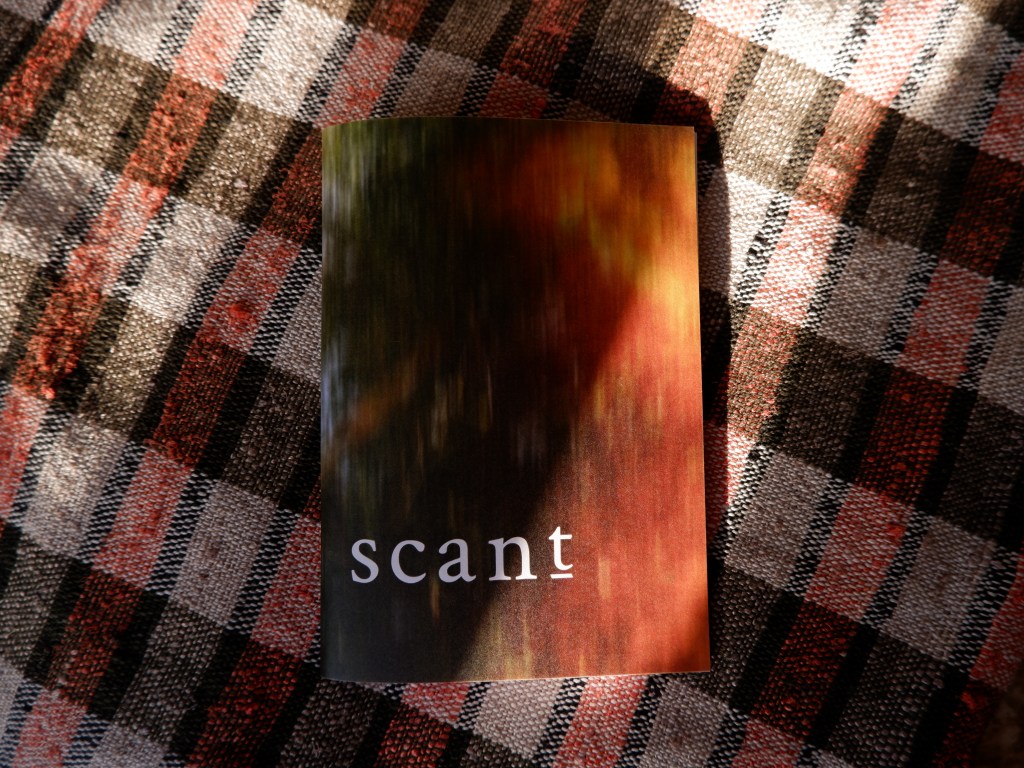
This post is going up a little later than planned. Back in January Scant launched its first issue with an exhibition of work from the magazine at Saan Gallery in Manchester. The magazine brings together poetry and photography that responds to the scantness and transience of our present time: a moment of ecological deterioration and destruction, and of economic and cultural precarity. I have a poem, ‘In Anticipation of the Flood’, and a series of linked photographs published in the first issue, alongside brilliant poetry by Tom Branfoot, Joey Frances, and Purbasha Roy, amongst others, and arresting images from Lucy Ridges, Natasha Javadine, and Sarah Russell (to name just some of the photographers).
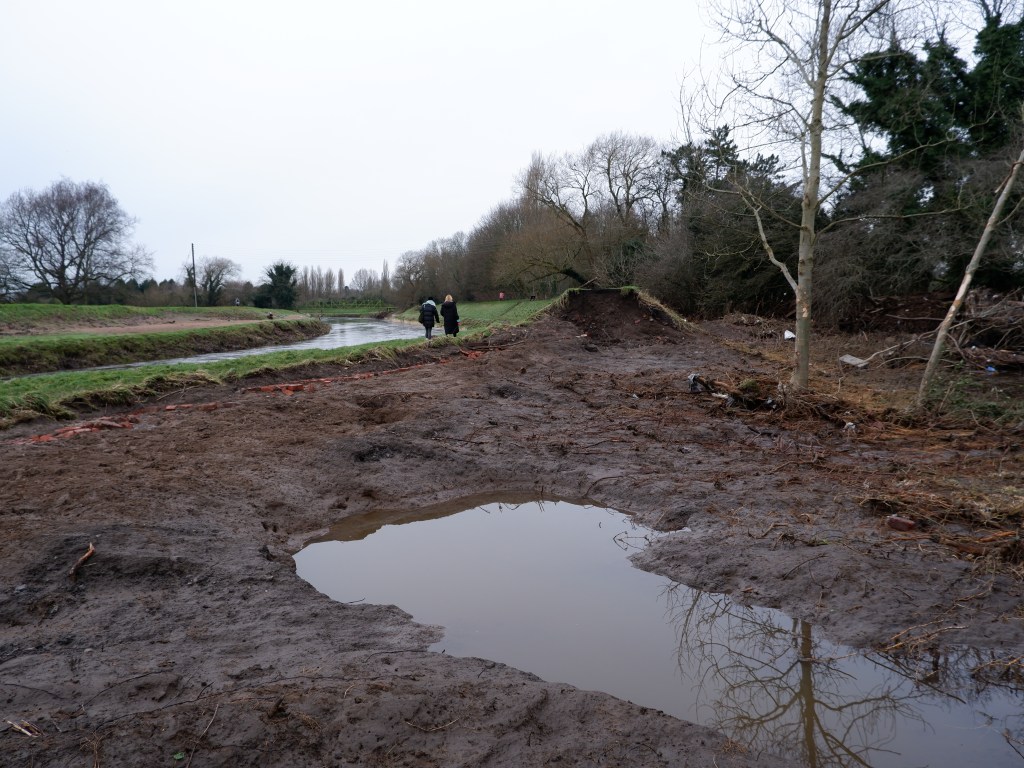
A picture of flood damage in Didsbury where the River Mersey punched a hole in the high river path and forged a new route through the allotments and Rugby Club.

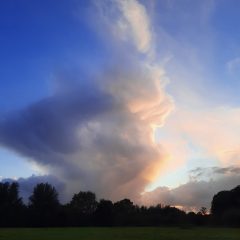
In a strange, haunting moment of synchronicity, the publication of Scant and my images (poetic and photographic) of flood and its polluted aftermath, coincided with a new wave of floods in Didsbury where I live. On New Year’s Day the river Mersey rose in a powerful torrent, more quickly and fiercely than anyone had anticipated. As well as flooding homes and carrying away parked cars (a devastating start to the year for many), it punched a yawing hole in the high path above the river – ripping trees up by their roots, swamping allotments, rugby pitches, and golf courses, and forging a new route for itself through the city.

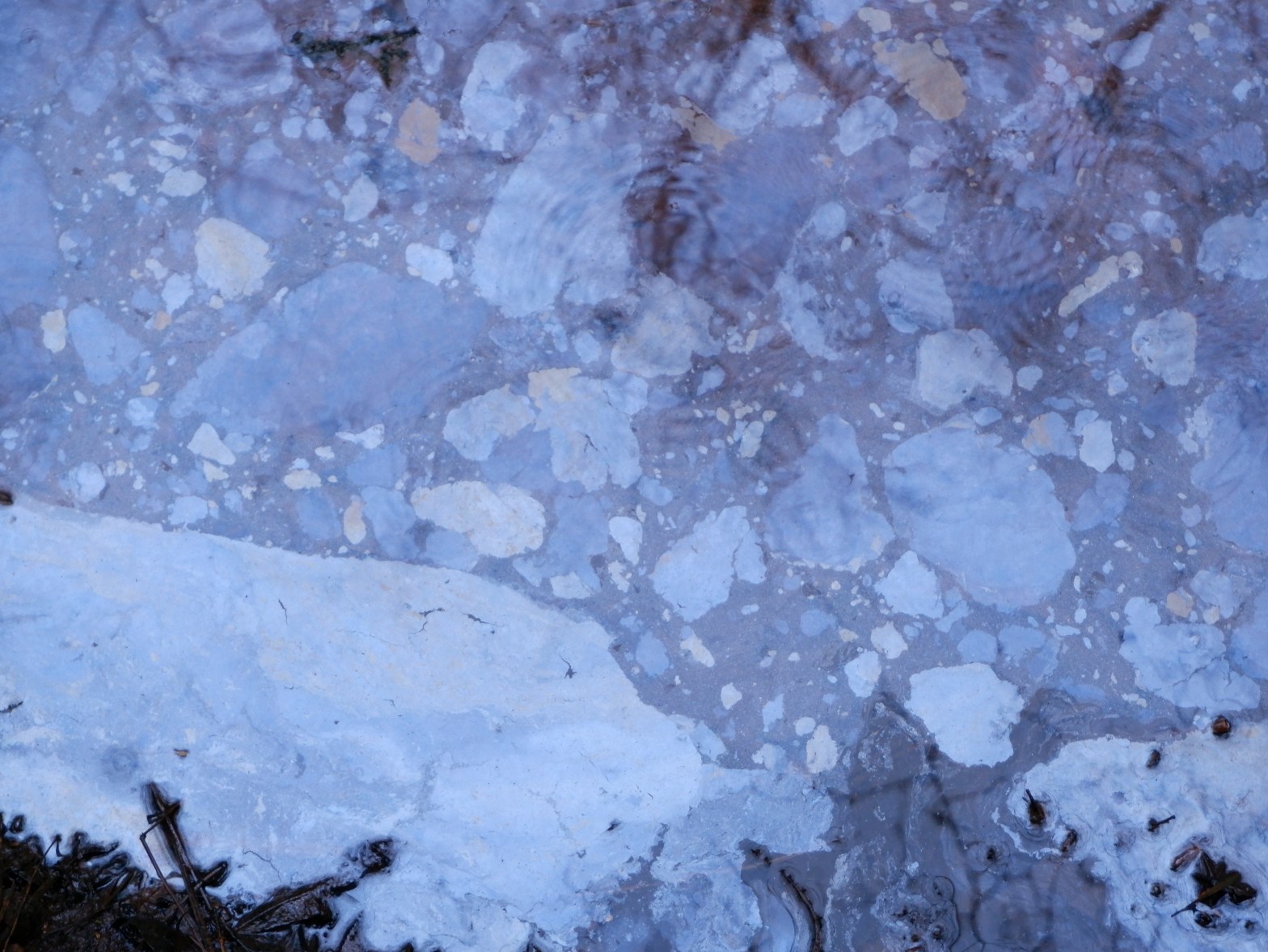
When people’s homes have been damaged, this might seem like the least of a community’s worries. But when the Mersey floods, the plains around Fletcher Moss also become marked by the shameful detritus of our polluting lives, which usually lies hidden at the bottom of the river bed. The branches of trees become garlanded with plastic bags, Tampax and dog poo bags (like unholy, inverted Clootie trees), and the paths are littered with plastic containers, rusted bicycle wheels, and other discarded, household items. My poem and photograph series for Scant explore the attraction and repulsion of the stagnant water of the flooded park, its surface coated with shimmering oil slicks.
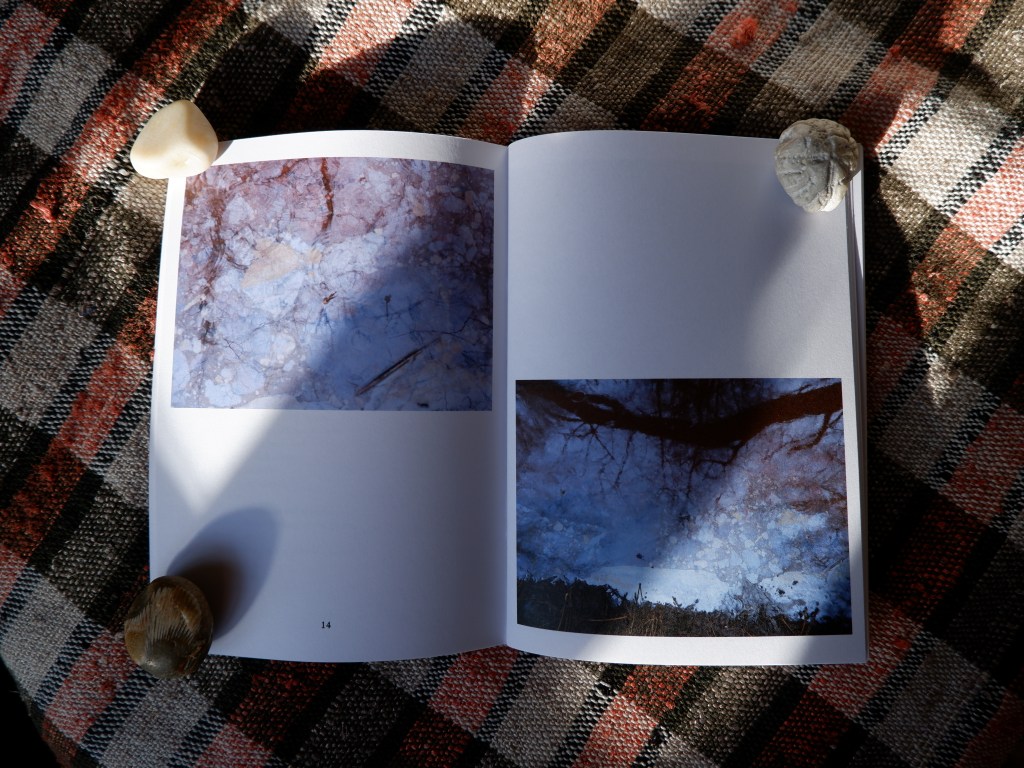
My photographs of polluted patterns in the water, as published in Scant

You can purchase Scant issue 1 from a number of brilliant bookshops, including the UniTom store and Jot Bookshop in Manchester, and Good Press Bookshop in Glasgow. An interview with Scant’s editors Sam Rye and Jack McKenna was also recently published on the Corridor8 website.

Here’s a little snippet of my poem from the issue, as a sign-off:

After dark the water burns,

fire on stagnant flood, rusted

grilles curdle misplaced Mersey

silt, stopped currents and lurid

orange clouds, a sky you might

fall into […]

From ‘In Anticipation of the Flood’

Word and Image – sleeping, dreaming, floating

I’ve continued to experiment with the playful, irreverent and sometimes associative relationship between word and image in ‘collage poems’. The process of making them can be brief and impulsive, but often extends over a long period of time, and might be seen as an iterative process.

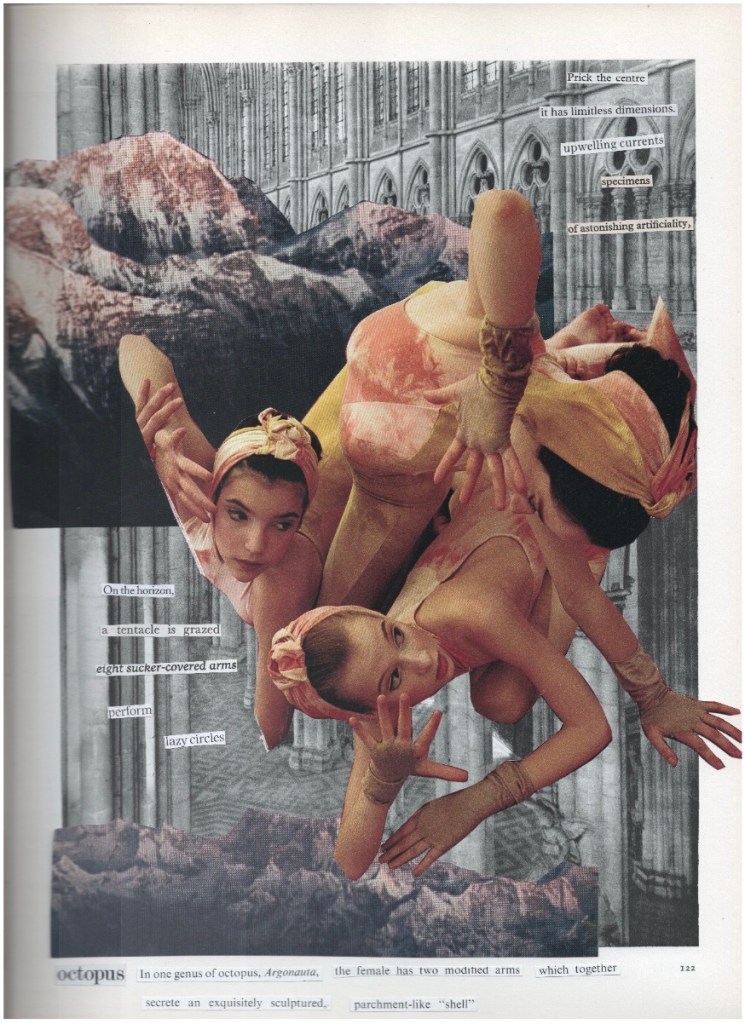
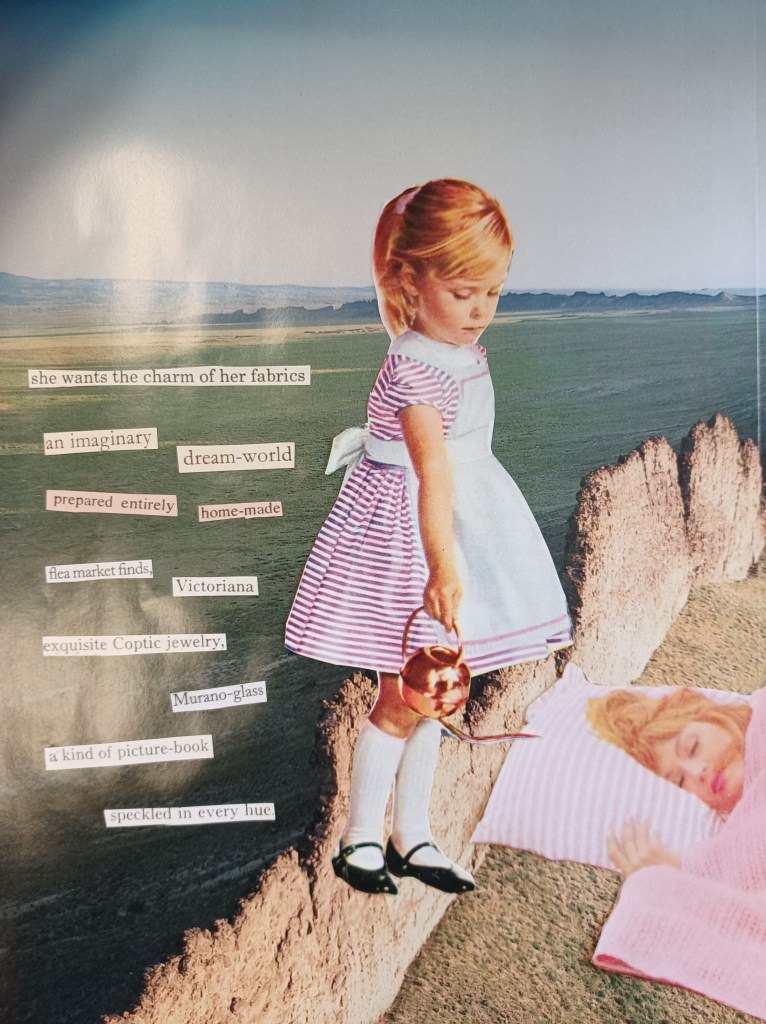
Although I was away when they were published, Ink, Swear and Tears, featured two of these collage poems in their Word & Image curation back in February – ‘Octopus’ and ‘To Sleep’.

‘Octopus’ published with Ink, Sweat and Tears

I’ve included an image of ‘Octopus’ above, which transforms the balletic tangle of limbs into a vision of an octopus. ‘To Sleep’ is another kind of visio-verbal fantasy of the luxuries of decadent, dream-filled sleep. Huge thanks to Kayleigh Jayshree and the team at Ink, Sweat & Tears for choosing these pieces for the feature!

A collage poem that I made as a birthday gift for my mum, also on the subject of dreaming, was featured on Sophie Herxheimer and W. N. Herbert’s Ghost Furniture Catalogue all the way back in August of last year. It’s titled ‘Fantasy Bed Collage’ and you can read it/view it/meditate on it here.

Detail from the ‘Fantasy Bed Collage’ published with Ghost Furniture Catalogue

The Ghost Furniture Catalogue continues to advertise an open call: ‘Poems needed to wallpaper skulls and fit out rattling minds’.

I’m hoping that this year I’ll have more time to think deeply and critically about how the visual and the verbal intertwines in my writing practice, and what a body of work on this subject might look like.

From Glasgow to Saturn Collage Poems

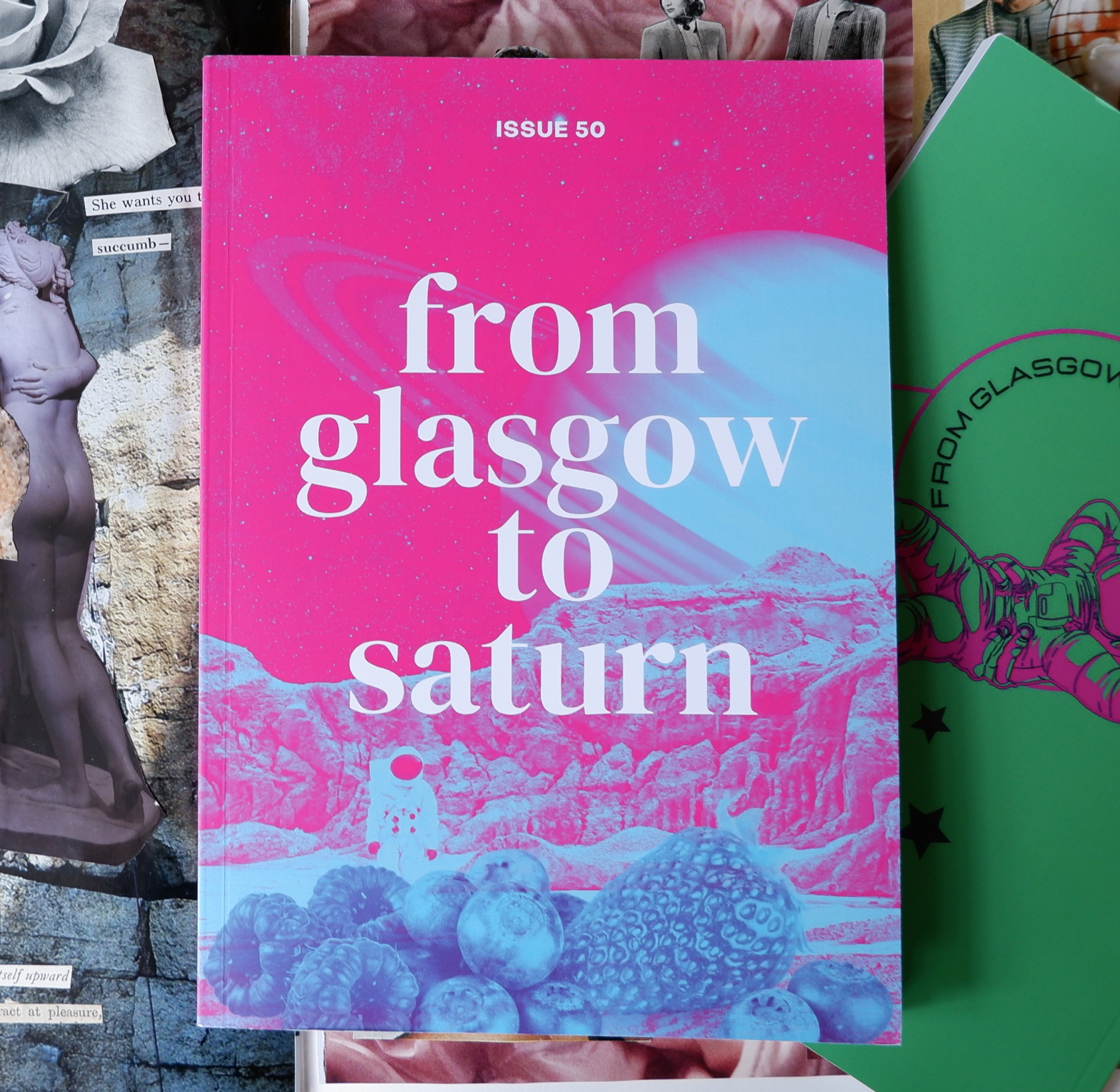
The 50th Anniversary issue of the Glasgow Journal From Glasgow to Saturn has a selection of collage poems by me in it. The journal takes its name from a 1976 poetry collection by Scottish Makar, poet and lecturer at the University of Glasgow, Edwin Morgan, and this edition is something of a tribute, or a response to him.

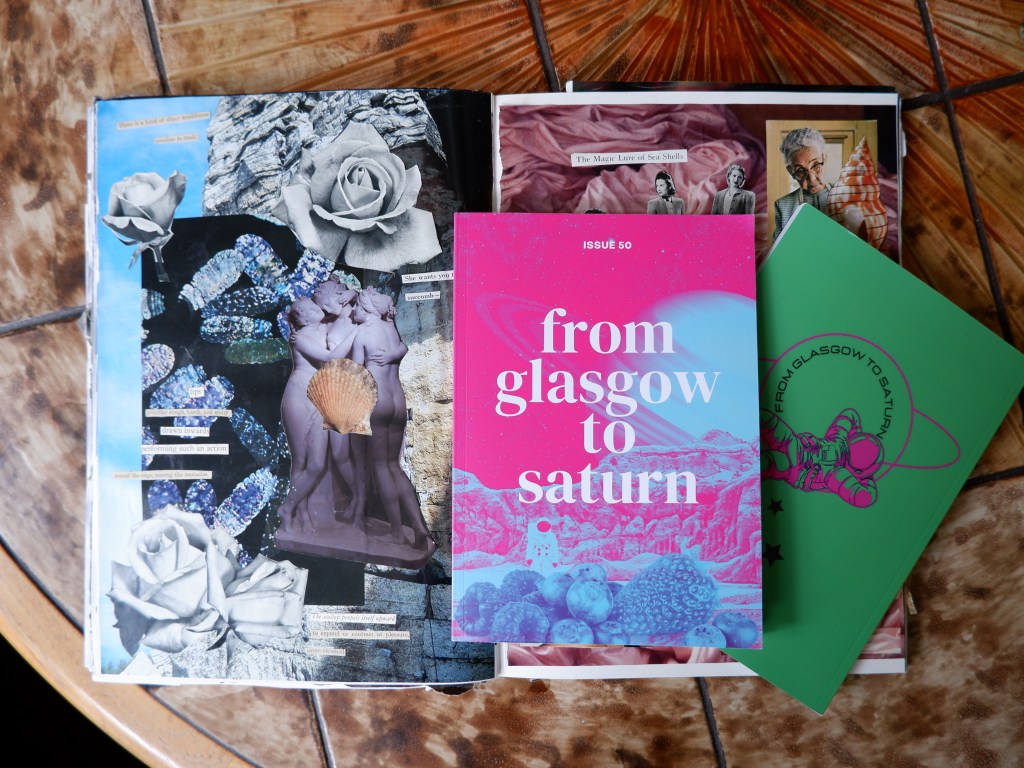
Picture shows copies of the journal ‘From Glasgow to Saturn’ laid over my sketchbook of collages and collage poems.

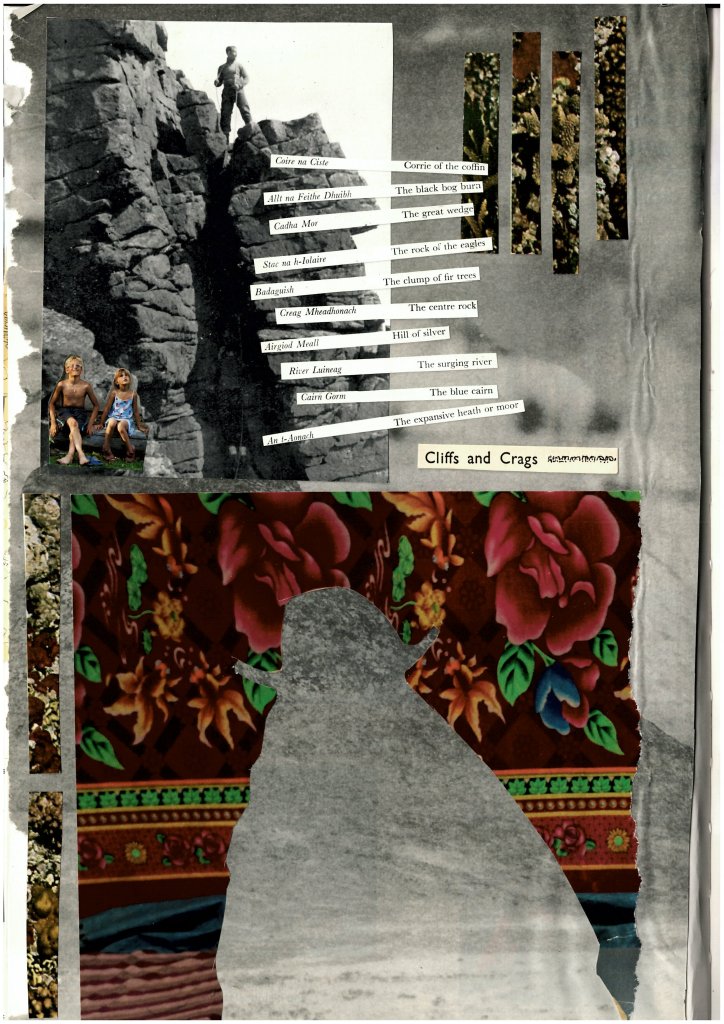
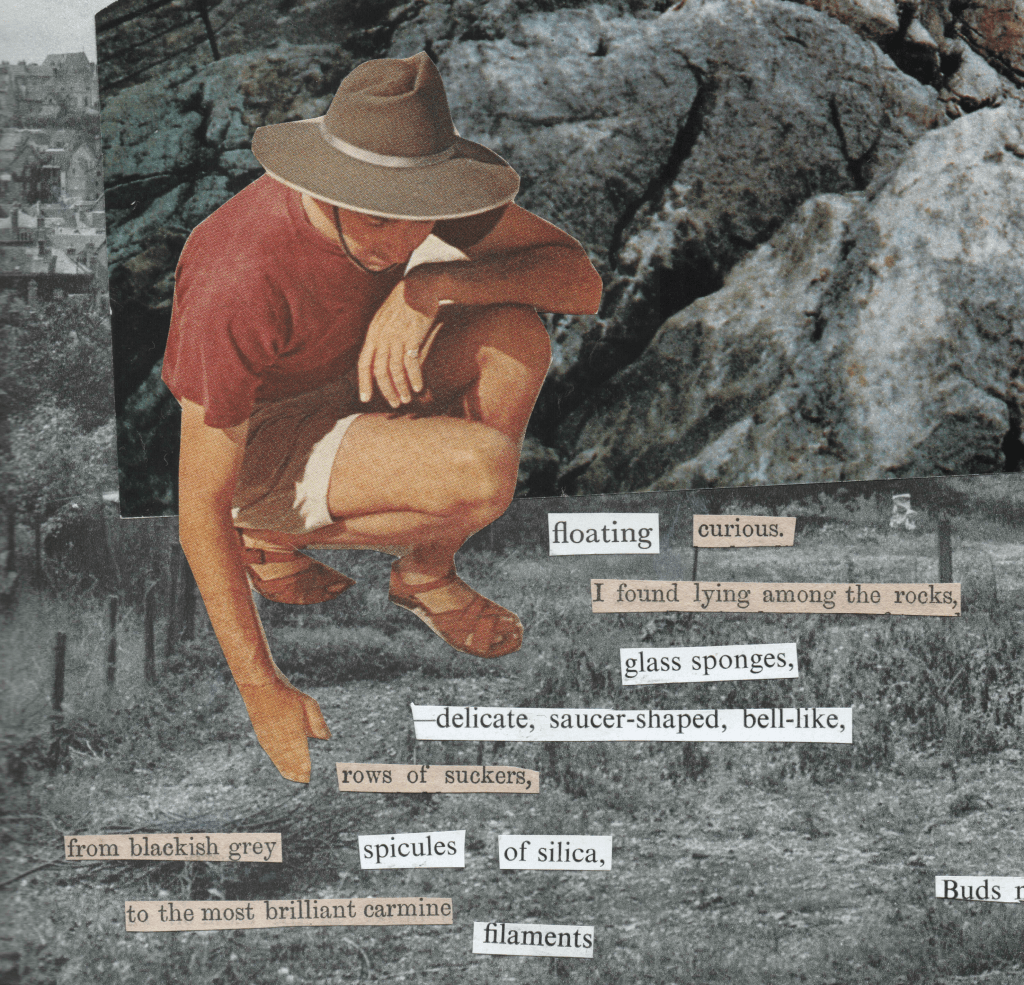
My poems for the journal – ‘Floating Curious’, ‘She wants you to glide’, and ‘Cliffs and Crags’ – are all ‘collage poems’, works of visual poetry that combine found text and imagery to create something new and surreal. I started creating collage poems during the pandemic, but it was really a research fellowship working with the scrapbooks of Edwin Morgan at the University of Glasgow Archives and Special Collections, that saw this method of poetic making flourish and develop.

Morgan worked on his scrapbooks between 1931 and 1966. They are huge compendiums of literary quotations, found imagery, newspaper clippings, Morgan’s own drawings and dream journals; vast, tentacular maps of the poet and translator’s creative mind at work. It was a struggle to make sense of them as a researcher, but creatively poring over the pages had me fizzing to try out the process myself. I bought a hardbound sketchbook, a pair of scissors, and a stick of glue from Cass Art in the centre of Glasgow and started gathering printed materials with which I might create my own scrapbooks during the evenings of my fellowship.

One of the collage poems, ‘Cliffs and Crag’s, published in From Glasgow to Saturn’. You will have to buy a copy of the journal to see the rest.

Working with Morgan’s scrapbooks has encouraged an interest in collage and visual poetry more broadly. I have been following 3am Magazine’s Poem Brut series, and really enjoyed reading Emma Filtness’s incredible collection The Venus Atmosphere, published by Steel Incisors (visual poetry press ‘with teeth’). One of my friends is also a wonderful collage artist and constant source of inspiration, Laura Mipsum, and in Manchester I have been to a Collage Club run by Local Hotel Parking, which introduced me to the joys of a good scalpel and cutting mat! I’m also grateful to Johanna Green, who not only welcomed me to Glasgow by introducing me to the delicious Little Italy Pizzeria but also encouraged me to think a bit more about visual poetry.

If there are any visual poets or collage artists you follow, I would love to hear about it in the comments below!

Close-up of some of the found text in ‘Floating Curious’

‘Choosing Jewels’ and the pleasures of searching for fungi

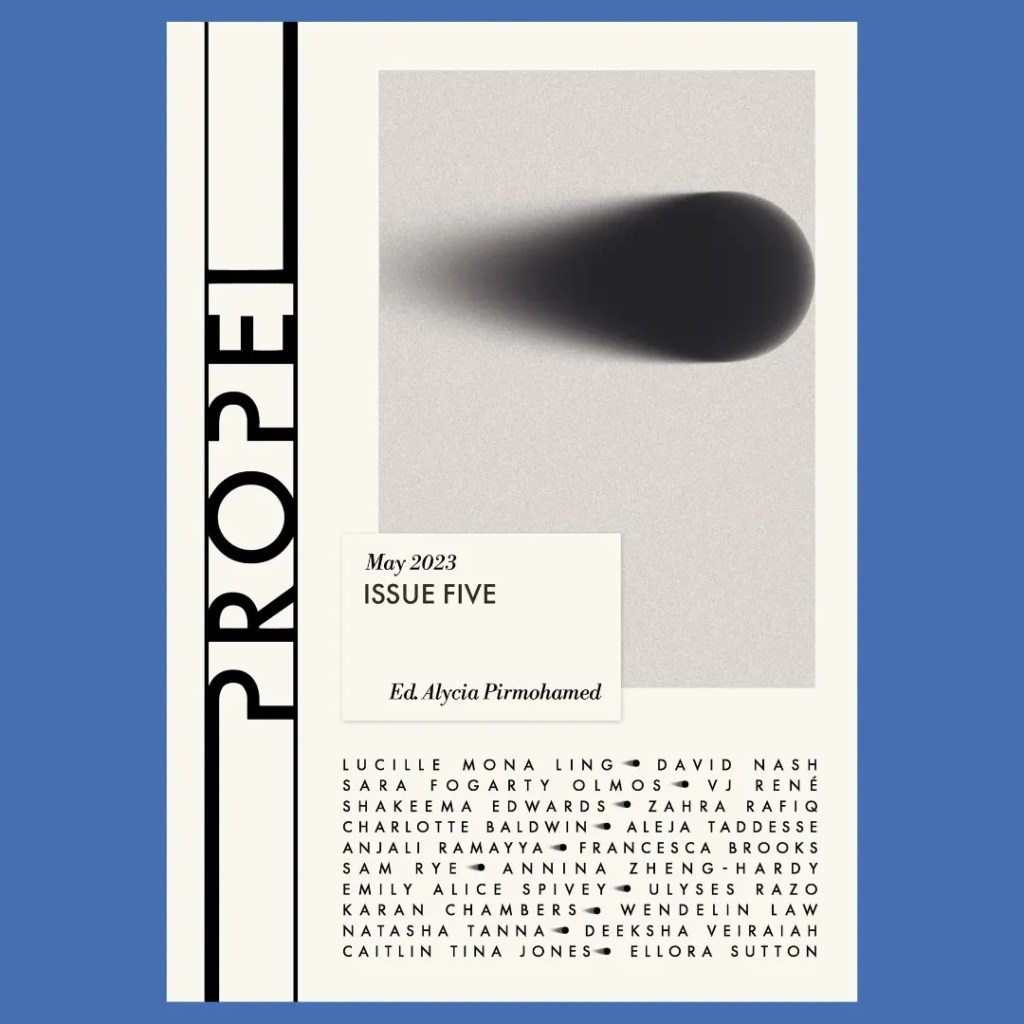
I’ve just had a poem published in the fifth issue of Propel Magazine, edited by the wonderful poet Alycia Pirmohamed (author of Another Way to Split Water). The magazine is available to read online for free. You can also listen to me and all of the other poets reading our work aloud and bringing the poetry to life.

My poem ‘Choosing Jewels’ is a love letter of sorts to the pleasures of searching for fungi. It takes its title from a phrase garnered magpie-like from the digitised manuscripts of Virginia Woolf’s To the Lighthouse, which you can explore here. I don’t want to say too much more about the poem here, as its spare and lyrical (I hope) and does its own work.

If you are curious about fungi too and would like to read more of my writing on the mycorrhizal world, I do have an essay about being landlocked and searching for mushrooms on The Clearing here.

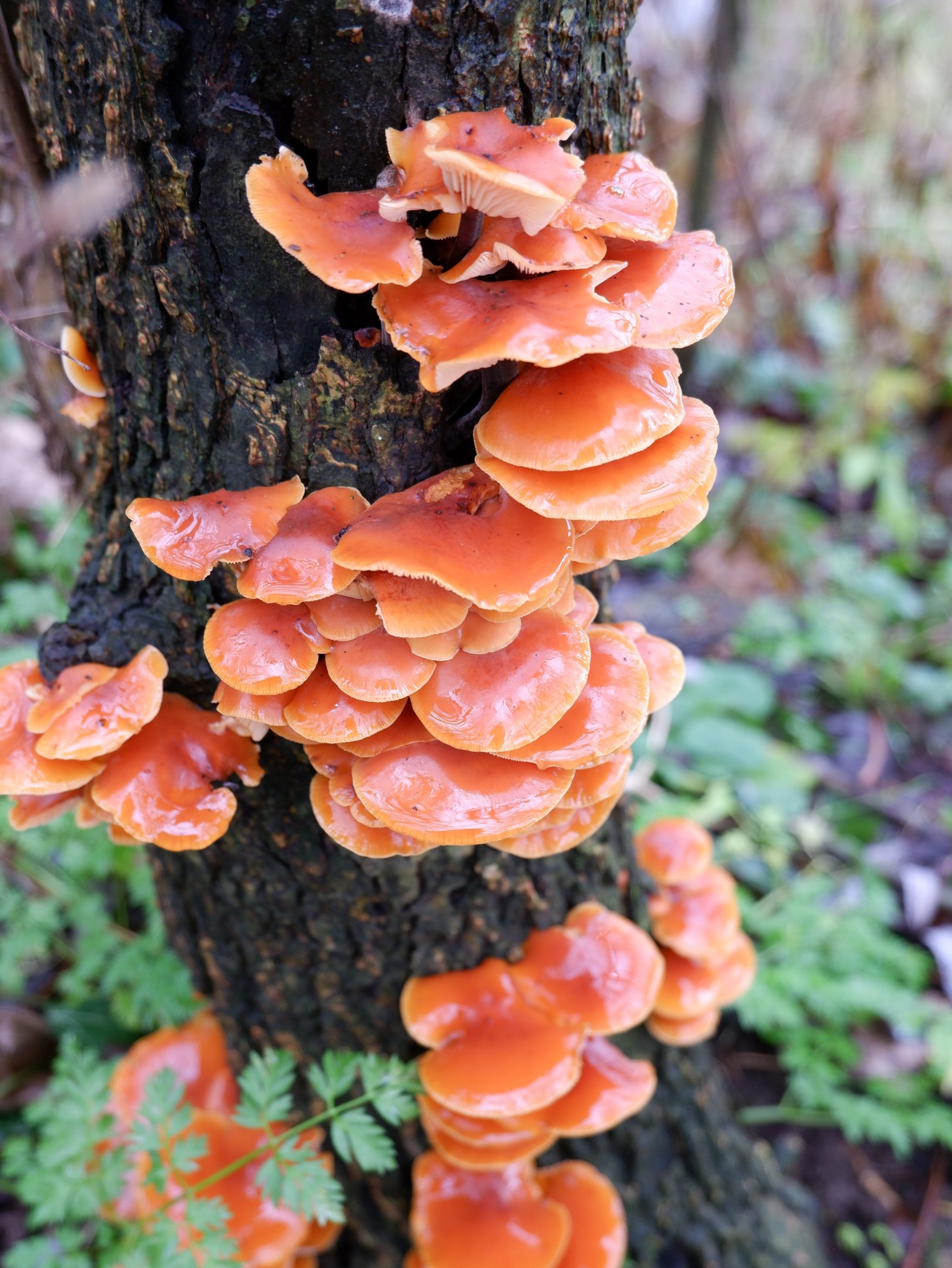
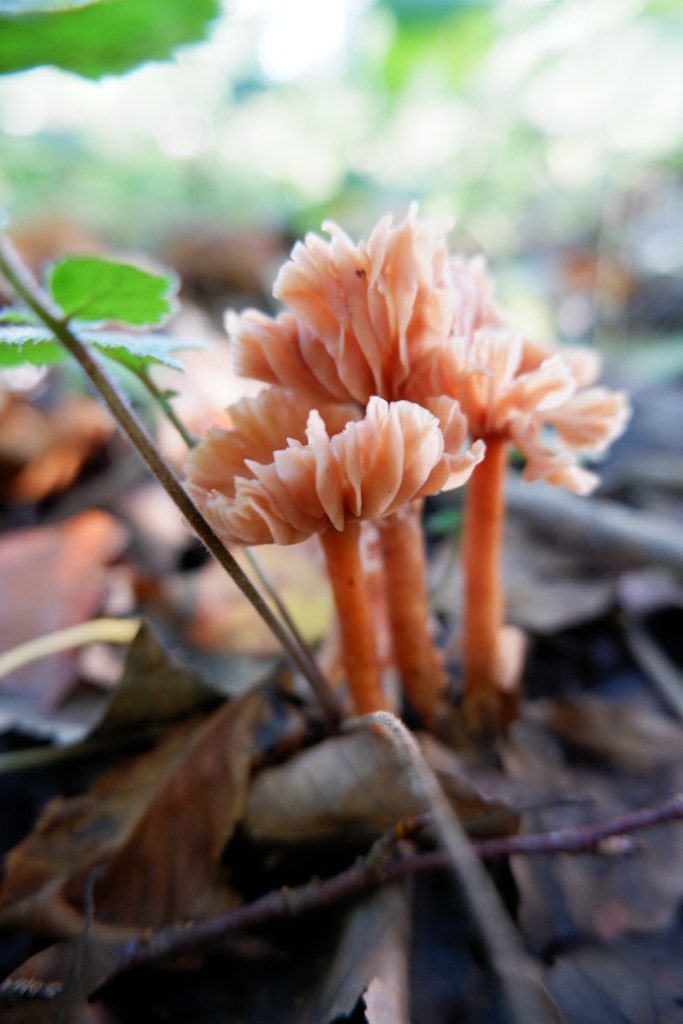
The pictures below show some mushrooms, or fungi, that aren’t at all shy about displaying the secrets of their gills.

Propel Magazine has a new guest editor for every issue and aims to showcase the work of poets who have not yet published a first collection. In her editorial Alycia writes beautifully about the work of editing as an opportunity not for ‘gatekeeping’, but for opening doors:

Anyway, all of this is to say I find being a gatekeeper a complicated thing, and though the job is to select only a few from the many, I hope that doors have also been opened: to new voices and strategies, to perspectives that are experimenting with subject and form. To poems that found a home here because they came across my particular gaze, and maybe I saw something, understood something, or felt something that the poet wanted to get across in a magical kind of symbiosis.

Alycia Pirmohamed, Propel Magazine Issue 5

I’m so grateful that my strange little mushroom poem caught Alycia’s eye.