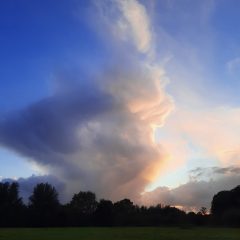
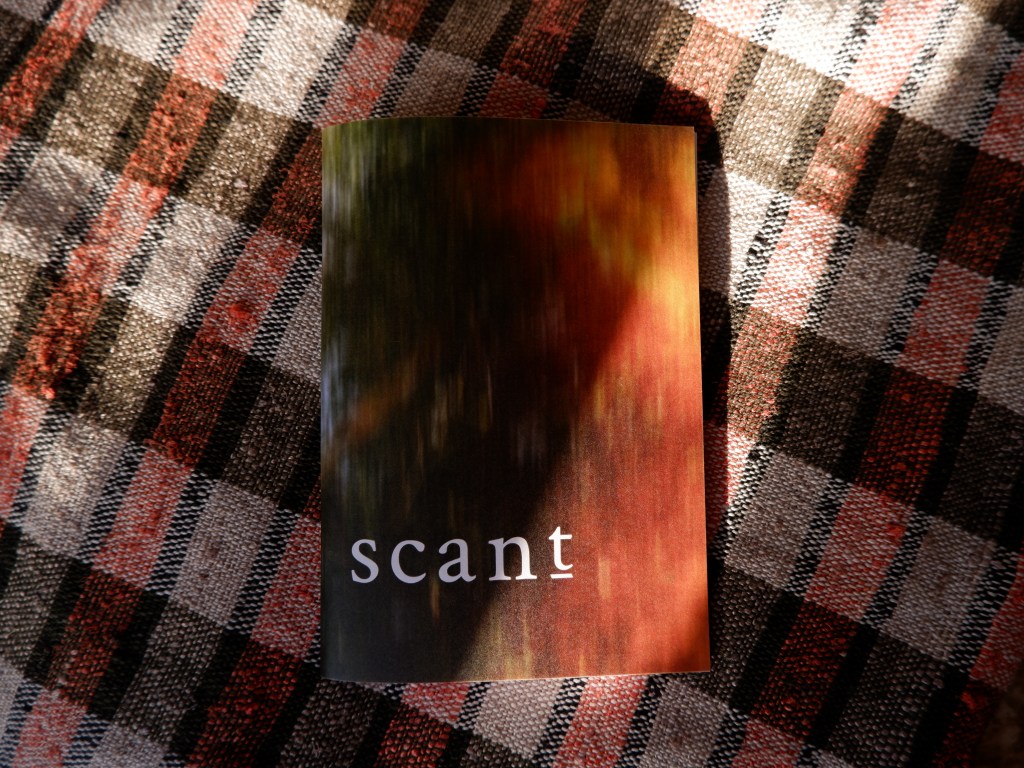
This post is going up a little later than planned. Back in January Scant launched its first issue with an exhibition of work from the magazine at Saan Gallery in Manchester. The magazine brings together poetry and photography that responds to the scantness and transience of our present time: a moment of ecological deterioration and destruction, and of economic and cultural precarity. I have a poem, ‘In Anticipation of the Flood’, and a series of linked photographs published in the first issue, alongside brilliant poetry by Tom Branfoot, Joey Frances, and Purbasha Roy, amongst others, and arresting images from Lucy Ridges, Natasha Javadine, and Sarah Russell (to name just some of the photographers).
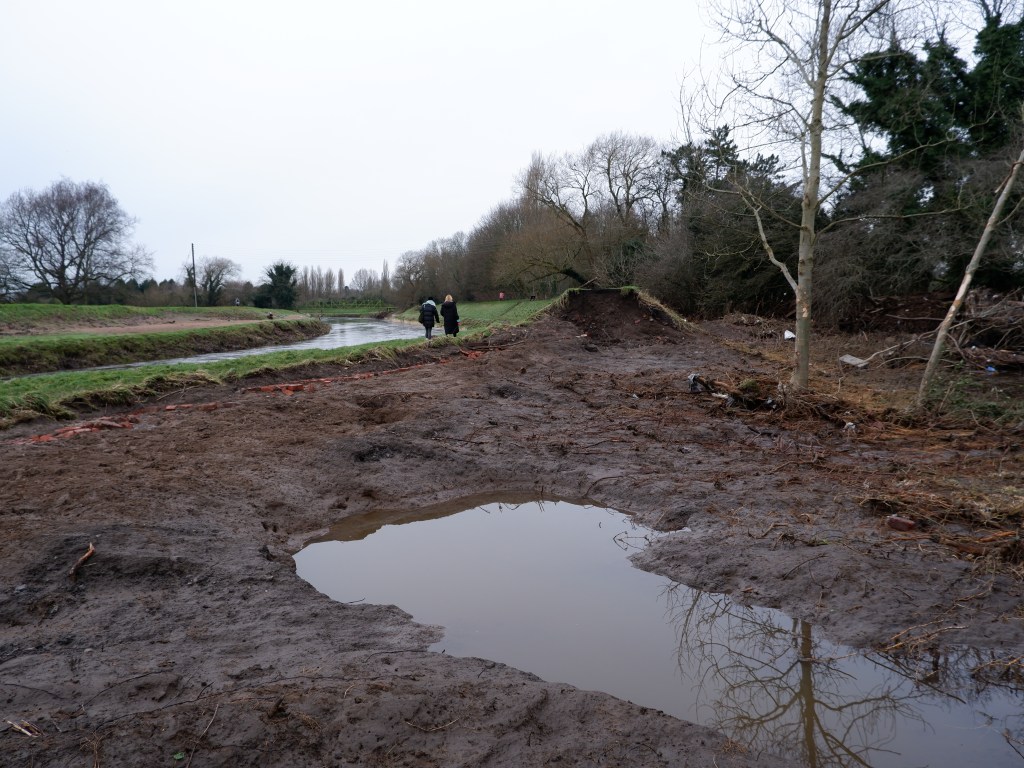
In a strange, haunting moment of synchronicity, the publication of Scant and my images (poetic and photographic) of flood and its polluted aftermath, coincided with a new wave of floods in Didsbury where I live. On New Year’s Day the river Mersey rose in a powerful torrent, more quickly and fiercely than anyone had anticipated. As well as flooding homes and carrying away parked cars (a devastating start to the year for many), it punched a yawing hole in the high path above the river – ripping trees up by their roots, swamping allotments, rugby pitches, and golf courses, and forging a new route for itself through the city.
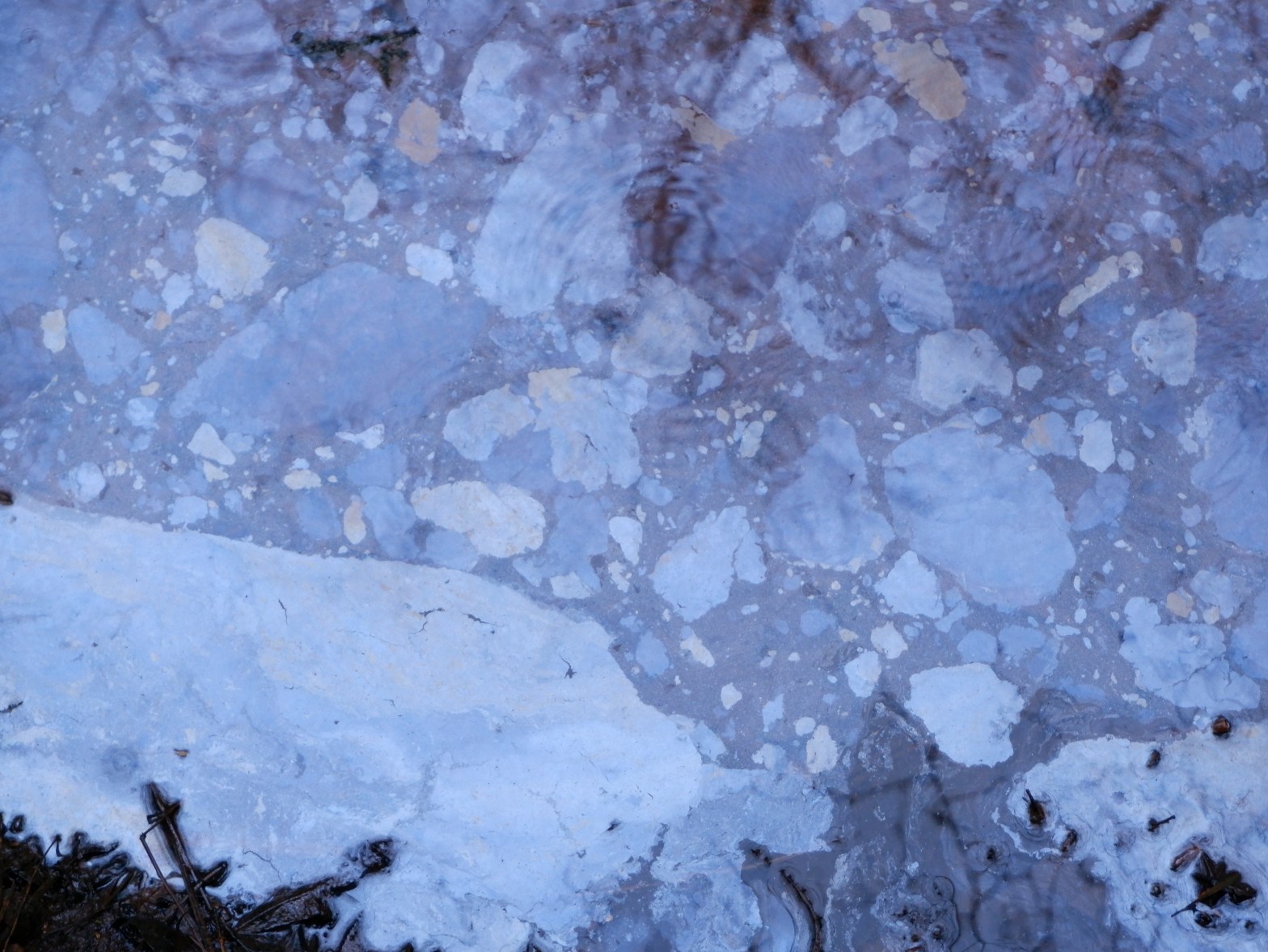
When people’s homes have been damaged, this might seem like the least of a community’s worries. But when the Mersey floods, the plains around Fletcher Moss also become marked by the shameful detritus of our polluting lives, which usually lies hidden at the bottom of the river bed. The branches of trees become garlanded with plastic bags, Tampax and dog poo bags (like unholy, inverted Clootie trees), and the paths are littered with plastic containers, rusted bicycle wheels, and other discarded, household items. My poem and photograph series for Scant explore the attraction and repulsion of the stagnant water of the flooded park, its surface coated with shimmering oil slicks.
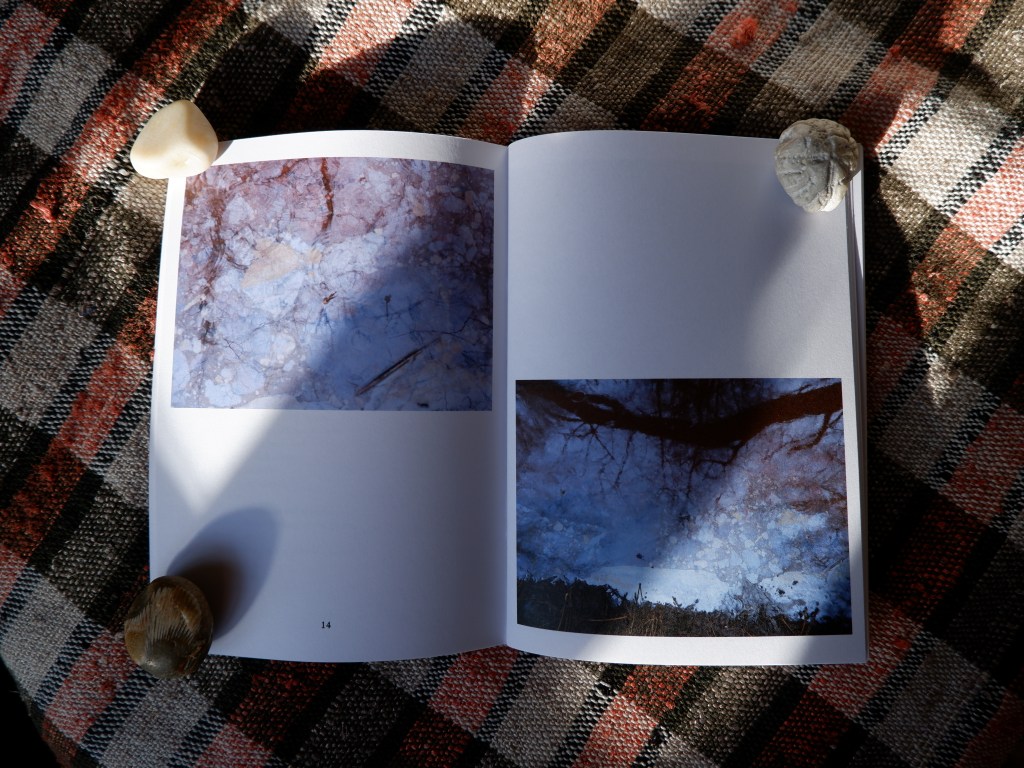
You can purchase Scant issue 1 from a number of brilliant bookshops, including the UniTom store and Jot Bookshop in Manchester, and Good Press Bookshop in Glasgow. An interview with Scant’s editors Sam Rye and Jack McKenna was also recently published on the Corridor8 website.
Here’s a little snippet of my poem from the issue, as a sign-off:
After dark the water burns,
fire on stagnant flood, rusted
grilles curdle misplaced Mersey
silt, stopped currents and lurid
orange clouds, a sky you might
fall into […]
From ‘In Anticipation of the Flood’
 Francesca Brooks