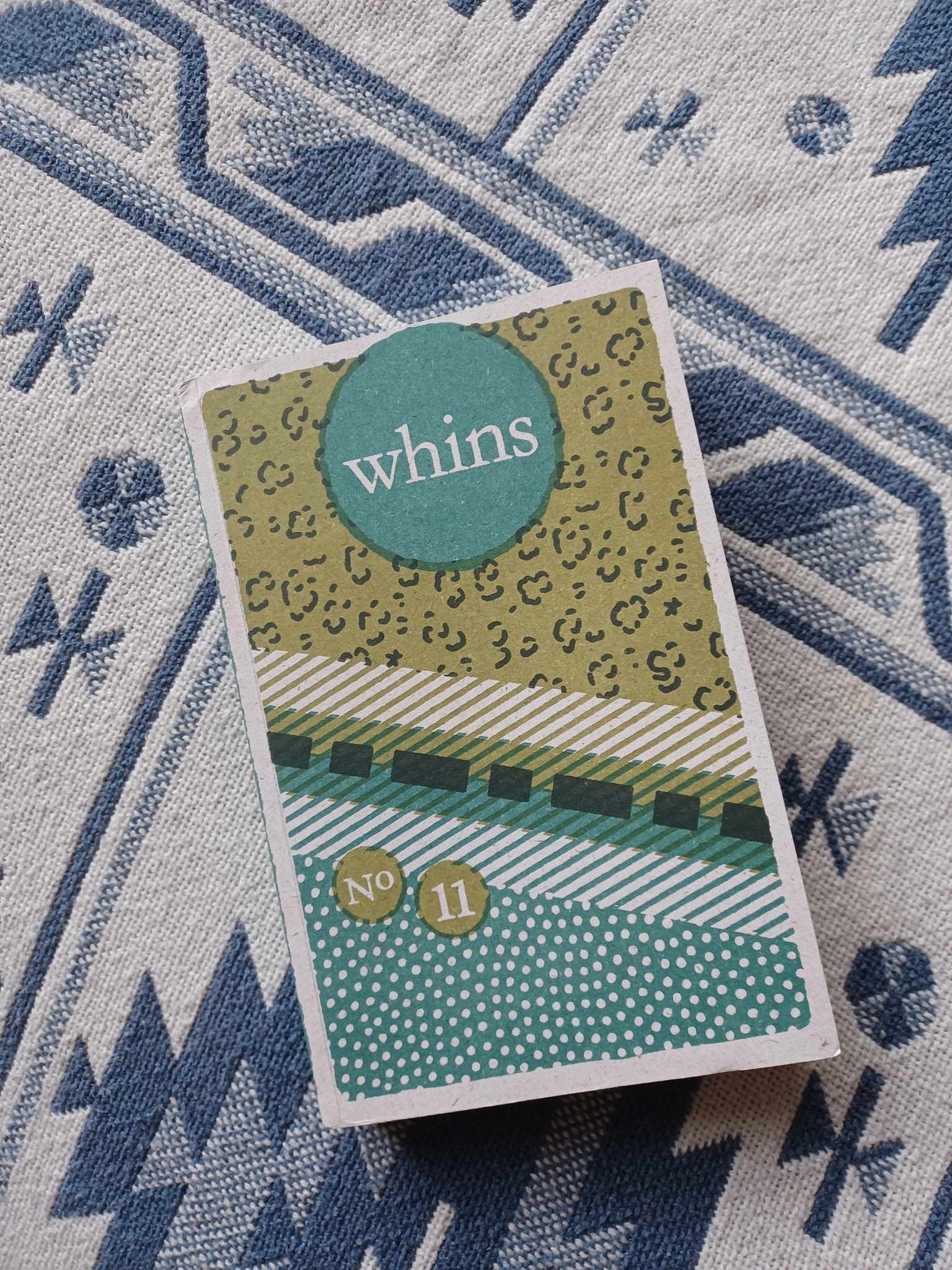
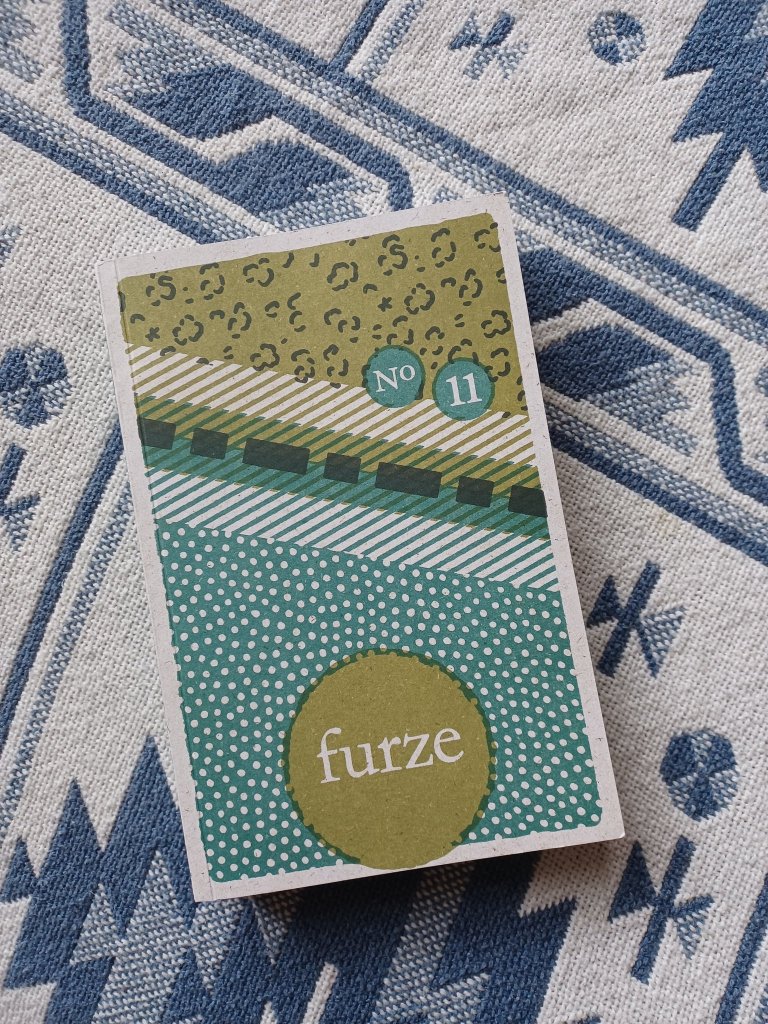
The long awaited eleventh issue of gorse just landed in my letterbox. The issue is a Tête–bêche, or head-to-tail book, organised around the geographical poles of north (whins) and south (furze) and two of my poems appear in the southern realms of the issue: ‘Peckham Sketch #1’ and a long-ish sequence ‘Love and Sugar, after the military dictator’. It is beautifully designed. This explanation comes from the gorse website:
‘The cover shows a close up of a border division on a map, north of the line is Whins and south of the line is Furze. The two covers line up side by side to show a longer stretch of the border and they can also be arranged in an endless repeat of a divided landscape. A linguistic divide is much more ambiguous than a geo-political border, it suggests a much broader in-between and a gradual cultural blend rather than a definitive hard line.‘
I submitted these poems and had them accepted for this issue around five years ago. I have been looking forward to seeing my work in print in this wonderful publication for a long time, but meeting these poems again after so long is also a little like reconnecting with a friend I had lost touch with.
‘She gathers them,
from among Ghana yams
and okra
as she passes a box of giant African land snails,
oozing cardboard on the pavement down Choumert Road.’
‘Peckham Sketch #1’, gorse 11
‘Peckham Sketch #1’ is a record of a walk down Peckham’s Rye Lane, and includes a loving little ode to the everyday wonder of Khan’s Bargains. The second poem, the sequence ‘Love and Sugar, after the military dictator’, is about learning a language in place, and the intimate and uncomfortable ways in which that language can become entangled with personal experience.
You can buy a copy of the issue from the gorse website here. It’s expensive, but also a thing of beauty with amazing contributions from Niven Govinden, SJ Fowler and Rike Scheffler, and Darran Anderson.
 Francesca Brooks